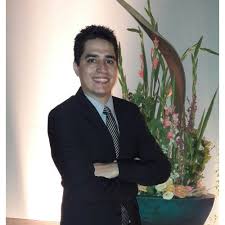
Helder Oliveira
1. What is Undergraduate Research?
Undergraduate research allows students to participate
in scientific research projects under the supervision of a faculty member.
The goal is to introduce students to the research process and develop skills
in critical thinking, experimentation, and scientific communication.
2. Who Should Consider Undergraduate Research
Undergraduate research is recommended for students interested in exploring
scientific problems and learning how research works.
- Students interested in pursuing graduate studies (Master’s or PhD).
- Students who enjoy problem solving and analytical thinking.
- Students motivated to read and discuss scientific papers.
- Students interested in developing programming or experimental skills.
3. What Undergraduate Research Is Not About
- It is not a traditional course.
- It is not only about programming or implementation.
- It involves studying existing research and exploring open problems.
4. Typical Activities
Students involved in undergraduate research usually perform activities such as:
- Reading and discussing scientific papers.
- Studying background concepts related to the research topic.
- Implementing algorithms or simulation tools.
- Running experiments and analyzing results.
- Writing technical reports or scientific papers.
5. Typical Timeline
- Months 1–2: literature review and background study.
- Months 3–6: implementation and development.
- Months 7–10: experiments and evaluation.
- Months 11–12: preparation of reports or research papers.
6. Meetings and Progress
Students are expected to participate in regular meetings with the advisor.
Meetings are typically held once per week or every two weeks.
- Present progress since the last meeting.
- Discuss difficulties encountered.
- Define the next steps of the research.
7. Tools Commonly Used in Research
- Python, C, C++, Java for experiments and data analysis.
- Git for version control.
- LaTeX for writing scientific papers.
- Overleaf for collaborative writing.
- Zotero or Mendeley for managing references.
- SimpleSim, NS3, FlexgridSim, OMNET, VENS e/ou Lorasim for simulation.
8. Academic Integrity
Academic integrity is fundamental in scientific research.
Students must follow ethical research practices.
- Avoid plagiarism.
- Always cite sources properly.
- Report experimental results honestly.
- Maintain transparency in methods and data.
9. Expected Outcomes
- A technical report or undergraduate thesis.
- A poster or presentation at a research event.
- Possibly a scientific publication.
10. How to Join a Research Project
Students interested in participating in undergraduate research should send
an email including:
- A brief description of research interests.
- Curriculum vitae.
- Academic transcript (if available).
- Information about programming or technical experience.

